

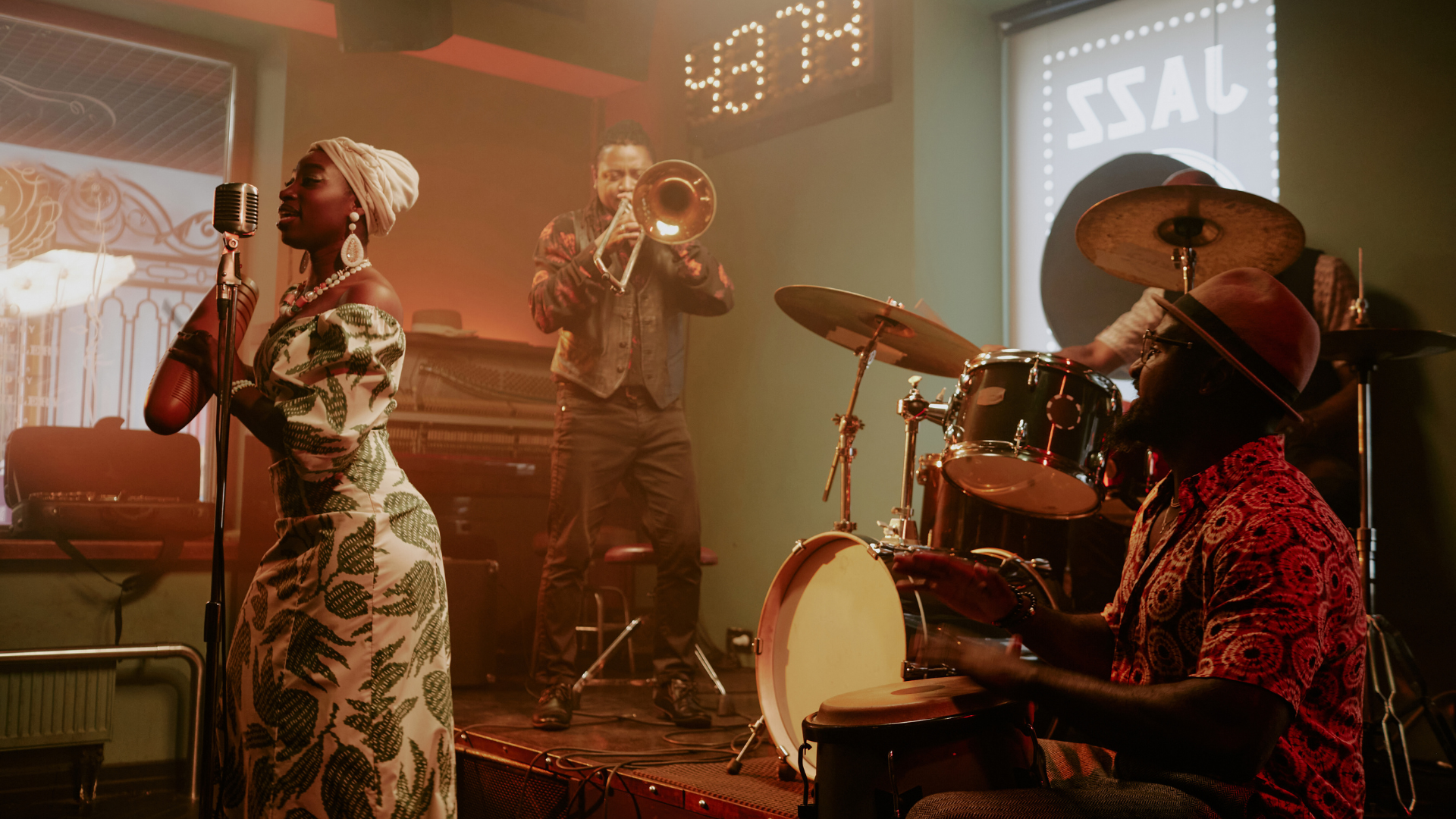
Billie Holiday’s influence on jazz and blues is profound and lasting. Her unique voice and emotional depth transformed these genres, infusing them with a sense of vulnerability and authenticity that resonated deeply with audiences. Through her innovative phrasing and ability to convey complex emotions, she set a new standard for singers in the music industry.
Holiday broke barriers in a male-dominated realm, not only as an exceptional performer but also as a storyteller. Her interpretations of songs like “Strange Fruit” highlighted social issues and personal struggles, making her a pivotal figure in both music and cultural history. This ability to blend personal narrative with musical expression established her as a true original.
As a result of her artistry, many modern musicians draw inspiration from her style and technique. Holiday’s legacy continues to influence artists across various genres, illustrating how one artist can reshape the landscape of music in impactful ways.
Early Life and Influence
Billie Holiday’s formative years significantly shaped her musical style, and the challenges she faced in her early life greatly influenced her artistry. Her unique voice emerged from a complex backdrop characterized by hardship and resilience.
Musical Beginnings
Born in Philadelphia in 1915, Billie Holiday grew up surrounded by music. She was introduced to jazz through her mother, who often played records of popular artists of the time. Despite her difficult upbringing, Holiday found solace in singing and began performing in local clubs as a teenager.
Her first significant break came when she joined a Harlem nightclub, where she caught the attention of influential musicians. Working with notable figures like Lester Young and Count Basie, Holiday honed her vocal techniques and developed her emotional delivery. This period laid the foundation for her later successes and showcased her unique blend of jazz and blues.
Racial Barriers and Early Challenges
Holiday faced significant racial barriers throughout her life. Growing up in a segregated society, she encountered discrimination and violence, which would later inform her music. The impact of these experiences is evident in her deep emotional expression and poignant lyrics.
Her struggles with poverty and personal turmoil, including legal issues and tumultuous relationships, further shaped her character and artistry. Despite these challenges, she persevered, becoming a powerful voice for marginalized communities. Holiday’s resilience in the face of adversity made her a pioneering figure in jazz and blues, influencing generations of musicians.
Artistic Style and Vocality
Billie Holiday’s artistry redefined vocal performance in jazz and blues through her innovative techniques and emotional resonance. She seamlessly blended different musical elements to create a style that remains influential today.
Innovative Phrasing and Rhythm
Holiday’s phrasing was revolutionary. She often employed syncopation and unexpected pauses that added a unique rhythmic quality to her singing.
Instead of adhering strictly to the melody, she would stretch syllables and alter timing, creating a personal interpretation of each song. This flexibility in rhythm allowed her to express greater emotional nuance, profoundly impacting the development of jazz vocals.
Her ability to manipulate rhythm not only showcased her technical skill but also helped set her apart from her contemporaries, establishing her as a pioneering vocal artist in the genre.
Emotional Depth and Interpretation
Emotion is at the core of Holiday’s vocal style. She had a remarkable talent for conveying feelings through her voice, which made every performance deeply authentic.
Using subtle tonal shifts and dynamic contrasts, she exquisitely captured the essence of the lyrics. For instance, her delivery of sorrowful ballads resonated with personal pain, reflecting her life experiences and struggles.
Her interpretations often evoked a sense of vulnerability that drew listeners in, allowing them to connect with her on a profound emotional level. This ability to evoke emotion is a hallmark of her lasting influence on musicians.
Blending Jazz with Blues
Holiday was a master at merging jazz and blues, creating a distinctive sound that resonated with diverse audiences. She drew heavily from the blues tradition, infusing her jazz performances with a raw emotional edge.
This blend enhanced the storytelling aspect of her music. Each song reflected personal narratives and broader societal themes, enriching the listening experience.
Her collaboration with instrumentalists also allowed for a dynamic interplay between voice and rhythm, further solidifying her signature sound. This fusion not only influenced her contemporaries but also laid the groundwork for future generations of jazz and blues artists.
Legacy and Impact
Billie Holiday’s influence extends beyond her music. Her contributions significantly shaped jazz and blues while also intertwining with key social issues of her time.
Influence on Jazz and Blues Artists
Holiday’s emotive style and unique phrasing have left a lasting mark on countless musicians. Artists such as Ella Fitzgerald and Sarah Vaughan cite her as a foundational influence.
Her ability to convey deep emotion made her interpretations of songs like “Strange Fruit” and “God Bless the Child” particularly impactful. She inspired a generation of singers to prioritize emotional depth over technical perfection, shaping the development of jazz and blues well beyond her lifetime.
Contribution to Civil Rights Movement
Billie Holiday became a voice for civil rights through her poignant song “Strange Fruit,” which addressed the horrors of racism and lynching. This song, released in 1939, was groundbreaking in its boldness and direct confrontation of racism.
It raised awareness about the African American experience in a segregated society. Her performances of this song often led to discussions around race and inequality, placing her at the forefront of the civil rights discourse in the arts.
Posthumous Recognition and Tributes
Holiday’s legacy continues to be celebrated long after her passing. She received multiple posthumous awards, including the Grammy Lifetime Achievement Award.
Her life and music have been depicted in films and documentaries, such as “Lady Day at Emerson’s Bar and Grill.” Additionally, tributes in the form of concerts and albums by contemporary artists highlight her enduring influence in jazz and blues, ensuring her story and impact remain relevant.