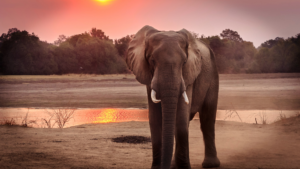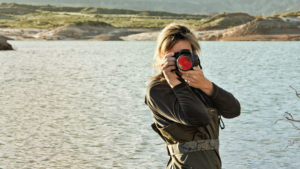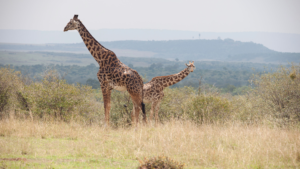

Animal photography combines a passion for wildlife with the art of capturing their essence through a lens. Aspiring photographers often wonder how they can turn this passion into a profitable career or fulfilling hobby. To become an animal photographer, one needs a mix of technical skills, an understanding of animal behavior, and patience to get that perfect shot.
Knowledge of camera settings and equipment is essential for capturing images that stand out. Mastery of lighting, composition, and framing can elevate a simple photograph into a striking artwork. Alongside technical skills, spending time observing animals in their natural habitats fosters the ability to anticipate their movements, leading to more compelling images.
Building a portfolio helps showcase one’s unique perspective and style. Engaging with communities of fellow photographers can provide valuable feedback and opportunities. As they develop their craft, photographers should also consider the ethical implications of wildlife photography, ensuring that they respect the subjects and their environments.
Understanding Animal Photography
Animal photography captures the essence and behavior of wildlife. Photographers need to grasp key concepts, ethical approaches, and essential skills to succeed in this genre.
Defining the Genre
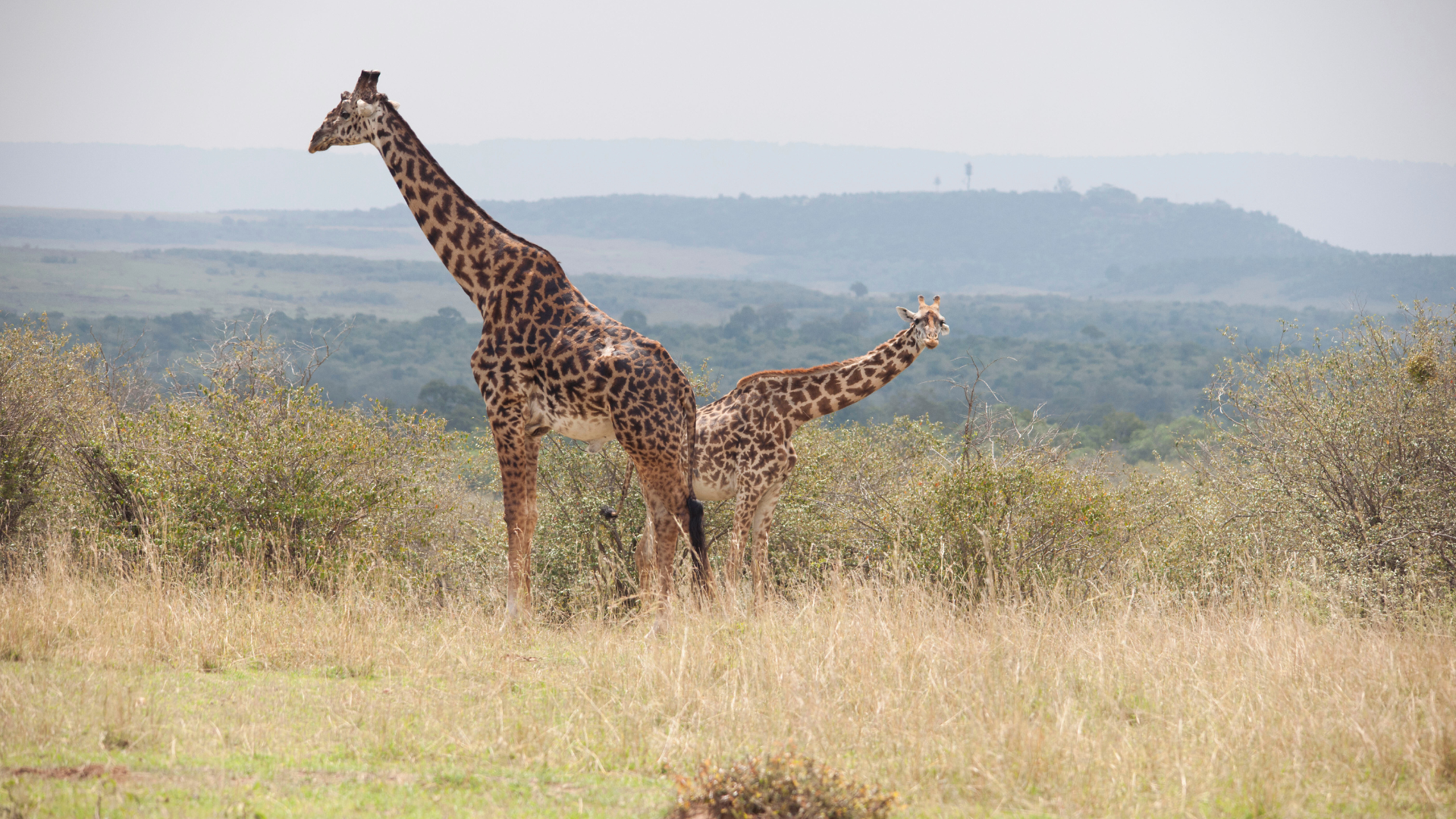
Animal photography focuses on capturing animals in their natural habitats or controlled environments. It can include wildlife, pets, and farm animals. Each setting serves a different purpose. Wildlife photography requires patience and often long waits for the perfect shot, while pet photography may involve staging.
Important aspects include lighting, composition, and timing. The photographer must consider the animal’s behavior, as many shots depend on the subject’s actions. Capturing movement can highlight the energy of the animal, while still shots can convey a sense of serenity.
Equipment plays a significant role, too. Long lenses are often essential for wildlife photography to maintain distance without disturbing the subject.
Ethical Considerations
Ethics in animal photography is crucial. Respect for wildlife ensures that the photographer does not disturb animal behaviors or habitats. They must avoid practices that could harm or stress animals or their environments.
Photographers should follow guidelines, such as those established by organizations like the National Geographic Society. These guidelines help maintain a responsible approach.
Additionally, obtaining necessary permits is vital when photographing in protected areas. Being aware of local wildlife laws can prevent legal issues while ensuring the safety of both animals and photographers.
Required Skills
Success in animal photography depends on a range of skills. Understanding camera settings, such as shutter speed and aperture, can make a significant difference. Knowledge of animal behavior aids in predicting movements for better shot timing.
Fieldwork enhances practical skills, allowing photographers to adapt to various conditions—weather, lighting, and distance.
Patience is necessary for capturing fleeting moments. Often, photographers spend time observing animals before taking action.
Lastly, post-processing skills in software like Adobe Photoshop or Lightroom help refine images, bringing out colors and details. These skills combined elevate the quality of their work, attracting a broader audience.
Camera Equipment and Settings
Selecting appropriate camera equipment and settings is crucial for capturing high-quality animal photographs. This involves understanding camera types, compatible lenses for various subjects, essential settings, and additional gear that can enhance photographic outcomes.
Choosing the Right Camera
For animal photography, a digital Single-Lens Reflex (DSLR) or a mirrorless camera is recommended. These types allow for interchangeable lenses and superior image quality.
Key specifications to consider include:
- Megapixels: A higher number means better detail.
- Continuous Shooting Speed: Look for at least 5 frames per second to capture fast movements.
- Autofocus System: A Fast and accurate autofocus is essential for moving subjects.
- ISO Range: A wide range helps in various lighting conditions.
Cameras from brands like Canon, Nikon, and Sony are popular choices among professionals.
Lenses for Different Subjects
Choosing the right lens significantly impacts photo quality. Lenses vary in focal length, affecting how close the photographer can get to the subject.
- Telephoto Lenses (200mm and above): Ideal for wildlife photography as they allow for close-up shots from a distance.
- Zoom Lenses (e.g., 70-200mm): Versatile for capturing various subjects without needing to change lenses frequently.
- Wide-Angle Lenses: Suitable for habitats or groups of animals, providing more context around the subjects.
Consider factors like aperture size to achieve a shallow depth of field, which can help isolate subjects against a blurred background.
Understanding Camera Settings
Mastering camera settings is vital for effective animal photography. Key settings to familiarize oneself with include:
- Shutter Speed: A faster shutter speed reduces motion blur; use at least 1/500s for fast-moving animals.
- Aperture: Adjust to control light intake and depth of field. A wide aperture (e.g., f/2.8) helps in low light.
- ISO: Set higher in low light but be cautious of noise. An ISO between 400-1600 often strikes a good balance.
- White Balance: Adjust based on lighting conditions to ensure colors are accurately represented.
These settings help in adapting to different environments and lighting situations.
Additional Gear Recommendations
Apart from the camera and lenses, some additional gear can enhance the photography experience. Consider including:
- Tripod: Essential for stability, especially in low-light conditions or when using long lenses.
- Camera Bag: A sturdy, weather-resistant bag helps protect gear during outdoor shoots.
- Extra Batteries and Memory Cards: Important for extended shooting sessions, as wildlife can be unpredictable.
- Lens Filters: Polarizing filters can reduce glare and enhance colors, especially in outdoor shots.
These tools contribute significantly to capturing the best possible photographs in various conditions.
Techniques for Capturing Animal Photos
Capturing striking animal photos requires understanding specific techniques that enhance the quality of images. Adjusting to natural light, mastering composition, and effectively capturing motion are crucial elements that contribute to compelling wildlife photography.
Working with Natural Light
Natural light can significantly influence the mood and clarity of animal photos. The golden hours, shortly after sunrise and before sunset, provide soft lighting, making subjects appear warm and inviting. Photographers should look for shaded areas during the harsh midday sun to avoid harsh shadows and overexposure.
Using reflectors can help redirect light onto the subject, reducing dark areas. A good practice is to avoid direct sunlight; instead, aim for diffused light that enhances textures. When shooting in low light, adjusting the ISO setting can help maintain image quality without introducing noise.
Composition and Framing
Strong composition guides the viewer’s eye toward the subject. The rule of thirds is essential, where the frame is divided into nine equal sections. Place the subject along these lines or at their intersections for a balanced photo.
In addition to the rule of thirds, leading lines can create depth. Paths, rivers, or branches can draw attention to the animal. Framing the subject with elements like trees or rocks adds context. Experimenting with different angles and perspectives can yield unique shots that highlight the animal’s behavior and environment.
Capturing Motion
Animals are often in motion, and freezing these moments creates dynamic images. For this, a fast shutter speed is crucial. Settings of 1/1000th of a second or faster can effectively freeze fast-moving subjects like birds or running mammals.
Panning is another technique; it involves moving the camera with the subject’s motion, creating a blurred background while keeping the animal sharp. Continuous shooting mode can help capture multiple shots in quick succession, increasing the chances of obtaining that perfect moment.
Approaching Wildlife
Careful approaches are vital to avoid startling animals. Staying low and moving slowly can minimize disturbances. Using camouflage or natural cover, such as bushes, allows photographers to blend into the environment.
Using longer lenses can help maintain distance while capturing detailed images. Understanding animal behavior is critical; knowing when to approach or retreat ensures safety for both the photographer and the wildlife.
Building a Portfolio and Finding Work
A strong portfolio and effective marketing strategies are essential for anyone aspiring to become an animal photographer. Knowing how to showcase skills and navigate the job market is crucial for success.
Creating a Compelling Portfolio
An impressive portfolio is a photographer’s primary tool for attracting clients. To create one, focus on high-quality images that highlight various species and settings.
Key aspects to include:
- Diversity: Showcase a range of animals and environments, including wildlife, pets, and farm animals.
- Technical Skills: Display proficiency in composition, lighting, and editing techniques.
- Personal Style: Develop a unique photographic voice that resonates with potential clients.
Utilize platforms like Adobe Portfolio or Instagram to highlight the best work. When planning a portfolio, consider incorporating a story or theme that connects the images.
Marketing Your Skills
Effective marketing strategies will reach potential clients and differentiate a photographer’s skills. Start by creating a professional website that includes a portfolio, services offered, and contact information.
Additional marketing methods include:
- Social Media: Use platforms like Instagram and Facebook to share work and connect with animal lovers.
- Networking: Attend local events or wildlife conservation programs to meet other photographers and enthusiasts.
- Collaborations: Partner with animal shelters, zoos, or wildlife organizations to gain exposure and credibility.
Maintaining an active online presence can significantly enhance visibility and attract prospective clients.
Freelancing vs Employment
Animal photographers can choose between freelance opportunities and traditional employment. Freelancing offers flexibility and creative freedom but may require more effort to secure consistent work.
Considerations for freelancing:
- Client Acquisition: Freelancers must actively search for clients, often requiring robust networking skills.
- Financial Management: Managing invoices and budgeting for unpredictable income is essential.
On the other hand, employment with an organization like a zoo or magazine can provide job security. Employees may receive benefits and a steady income, but they might have less creative control over their work.
Legal Considerations
Understanding legalities in animal photography is vital for protecting one’s work. Photographers should be aware of copyright laws, ensuring images are not used without permission.
Important legal aspects to keep in mind:
- Model Releases: Secure permissions from pet owners or wildlife organizations when publishing images.
- Local Regulations: Be informed about laws regarding wildlife photography in specific areas to avoid fines or legal action.
Consulting with an attorney familiar with photography rights can provide invaluable insights.